Some frameworks are built in classrooms. This one was built in the dark.
The Transformative Resilience Method™ didn't begin with research. It began with a kidnapping experience that fundamentally challenged assumptions about resilience – and the decision, afterwards, to turn what broke him into what would help others build.
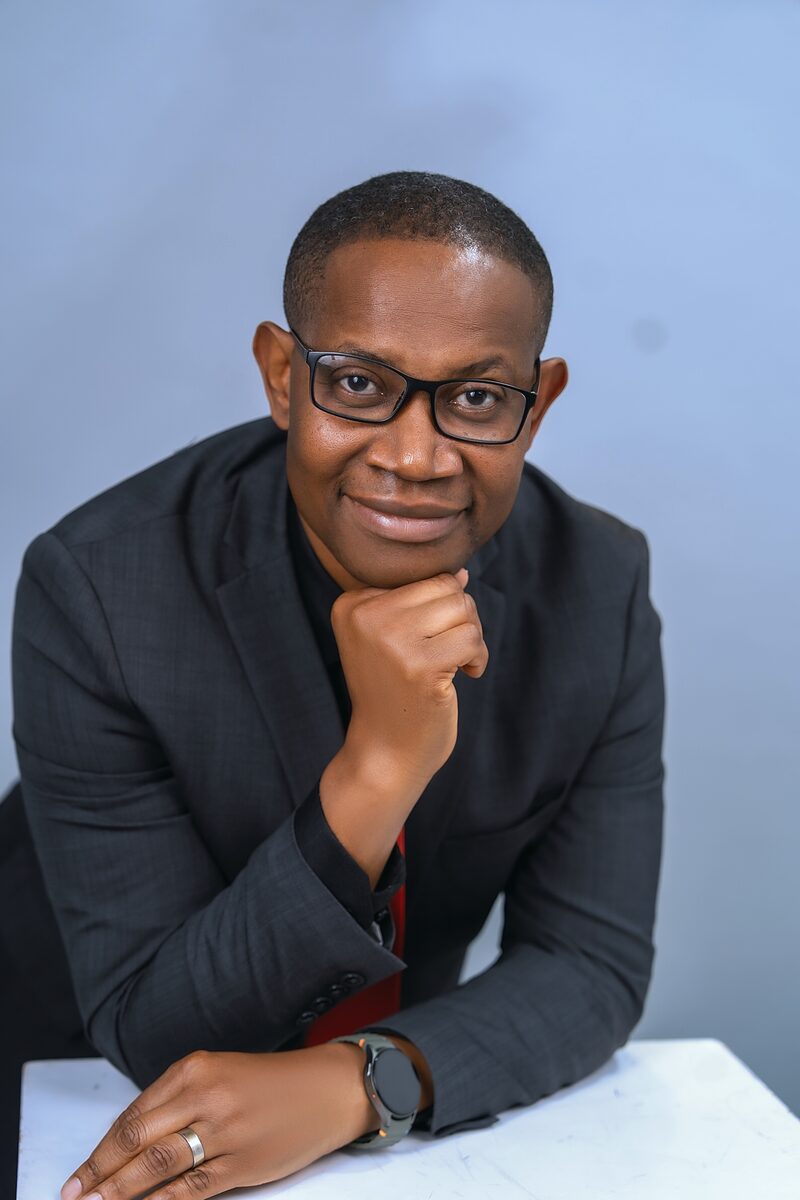
I was kidnapped for ransom.
5 words. That sentence still stops people. It stopped me – for a long time after it happened – from talking about it at all. Because there's no clean way to deliver it. There's no framing that softens what it actually is: your life, under someone else's control, your survival contingent on factors you cannot manage.
What I learned in that period wasn't what most people expect. I didn't discover that I was tougher than I thought. I discovered the opposite. I discovered that every belief I had about resilience – that it was willpower, that it was determination, that it was the thing that made some people stronger than others – was wrong.
What emerged from that dismantling – slowly, imperfectly, over years – was the foundation of what would become the Transformative Resilience Method™. Not a philosophy. A construction process. Step by step, pressure point by pressure point, until something structural existed that hadn't before.
Then I came to Canada – and started over.
Leaving your country is its own kind of pressure fracture. The invisible costs of immigration are almost never named: the identity displacement, the credential invisibility, the social architecture you built over decades that doesn't transfer. You arrive with everything and nothing simultaneously.
I navigated those years through the same process I'd learned after the kidnapping – not by enduring more, but by building structure around what I was carrying. Mapping the real sources of pressure. Interrupting the patterns that made it worse. Installing the daily architecture that made forward movement possible.
During those years, I worked in high-pressured environments – learning, from the inside, exactly how organizations consume their people without meaning to. How leadership cultures normalize the patterns that accelerate burnout. How the most committed people are often the most at risk, precisely because their commitment makes them incapable of stopping.
The Transformative Resilience Method™ was never theory.
By the time I began formalizing TRM, I had two sources of knowledge that most resilience practitioners don't have simultaneously: lived extreme pressure (the kidnapping, immigration, career rebuilding) and 23+ years of professional observation inside high-pressure organizational environments. What I saw, consistently, across both domains, was the same thing:
People don't fail because they lack resilience. They fail because no one ever built them the architecture.
TRM is the architecture. Four steps. Practical tools. Embedded into actual workflows. Designed to work when the pressure is real – because it was built when the pressure was real.
Explore TRM Services- 🏗 Creator, Transformative Resilience Method™
- 📘 Author – Learn to Live Forward
- 📘 Author – Coming to Canada
- 🏛 Founder & ED – The Resilient Immigrant Foundation
- 🎤 Keynote Speaker – Alberta & select Canadian sectors
- 🏦 23+ years – High-Pressure Banking & Finance and Other Industries
- 📍 Edmonton, Alberta
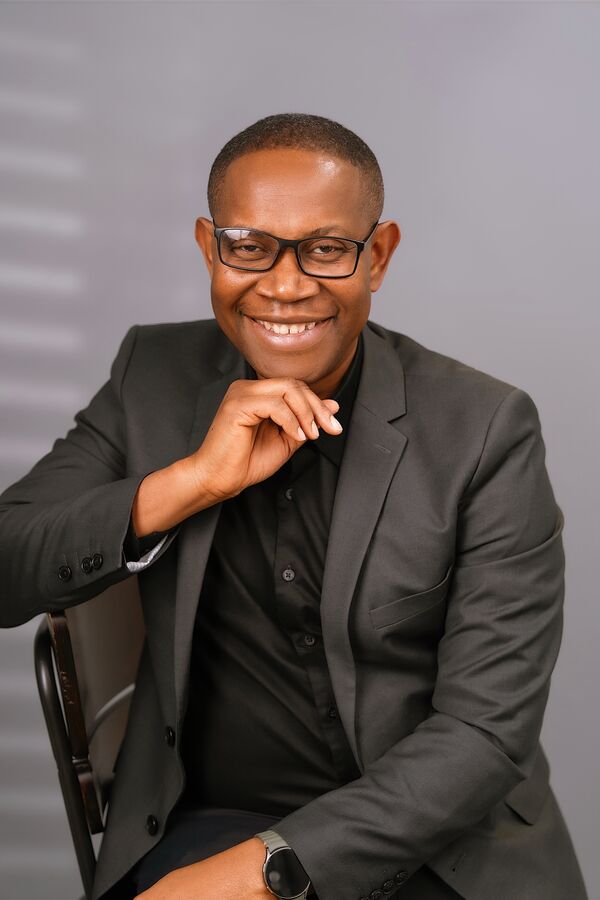
"Resilience that depends on willpower is not resilience. It is borrowed time."
– Chidi Iwuchukwu
The Resilient Immigrant Foundation
TRIF exists because Chidi knows exactly what the first years of immigration cost – and what the right support architecture at the right time can change. The foundation supports men's wellness, resilience, and community integration for newcomers navigating the specific pressure of building identity, belonging, and livelihood in a new country.
The same TRM principles that serve corporate leadership teams are applied in TRIF programming – because pressure is pressure, regardless of the environment it occurs in.
Visit trifcanada.org →